- Shopping, made easy.
- /
- Get the app!

MakerBot METHOD Nylon Carbon Fiber 3D Printing Filament (375-0059A) is the best and most consistent material optimized for use with MakerBot's METHOD Line of 3D Printers. For use with the Model 1C Extruder and LABS GEN 2 Experimental Extruder, this spool is compatible with the MakerBot METHOD 3D Printer, METHOD X 3D Printer, and METHOD X Carbon Fiber 3D Printer. All MakerBot Material is manufactured to produce the highest quality 3D prints and is trusted by leading companies and institutions the world over, thanks to state-of-the-art material manufacturing and quality control standards. Carbon fiber reinforced nylon optimized for high strength to weight ratio, stiffness, and heat resistance making it ideal for structural applications and metal replacements. This material is a moisture sensitive material. The spools are shipped in resealable mylar bags, which are impermeable to light and moisture and help protect the filament from potential damage. Within the spool there is also desiccant to keep the environment moisture-free. A moisture sensitive material will run the risk of a high moisture uptake if stored improperly, which can result in decreased print quality and damage to the extruder.
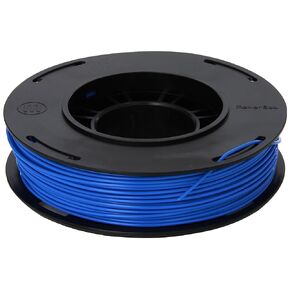 MakerBot PLA 3D Printing Filament Small Spool for Use with MakerBot's Replicator Mini and Mini+ Line of 3D Printers, Non-Toxic Resin, 1.75mm Diameter, Red (MP05789)
KWD 8.500
MakerBot PLA 3D Printing Filament Small Spool for Use with MakerBot's Replicator Mini and Mini+ Line of 3D Printers, Non-Toxic Resin, 1.75mm Diameter, Red (MP05789)
KWD 8.500
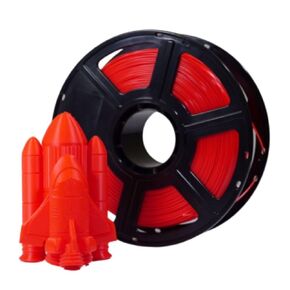 MakerBot Sketch PLA Filament White (1kg, 2.2lbs)
KWD 16
MakerBot Sketch PLA Filament White (1kg, 2.2lbs)
KWD 16
 -14%
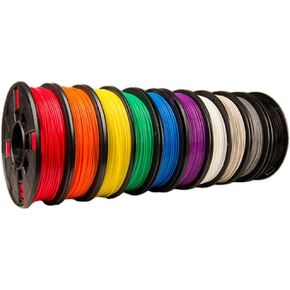
MakerBot 900-0148A Sketch PLA 1.75mm Rainbow Filament for 3D Printing Enthusiasts and Educators (10-Pack)
KWD 49
-14%
MakerBot 900-0148A Sketch PLA 1.75mm Rainbow Filament for 3D Printing Enthusiasts and Educators (10-Pack)
KWD 49
 -12%
KIMO Cordless Grinder 20V Cordless Angle Grinder w/ 3.0Ah Li-Ion Battery & Charger, 9000RPM Brushless Motor, 4-1/2'' Blade, Electric Brake, 2-Position Handle, Battery Grinder Tool for Metal Wood
KWD 32.500
-12%
KIMO Cordless Grinder 20V Cordless Angle Grinder w/ 3.0Ah Li-Ion Battery & Charger, 9000RPM Brushless Motor, 4-1/2'' Blade, Electric Brake, 2-Position Handle, Battery Grinder Tool for Metal Wood
KWD 32.500