Genuine Triceratops Fossil Bone Fragment – Authentic Dinosaur Fossil from Hell Creek Formation (Late Cretaceous, ~66 Million Years Old) – Natural Specimen, Size Varies
AUTHENTIC DINOSAUR FOSSIL – Real bone fragments from Triceratops, a well-known horned dinosaur that lived during the Late Cretaceous period approximately 66 million years ago
FROM THE HELL CREEK FORMATION – Sourced from one of North America's most studied fossil regions, known for preserving a wide range of prehistoric life near the end of the dinosaur era
NATURAL FOSSILIZED BONE – These specimens are mineralized over time, preserving the internal structure and texture of the original bone
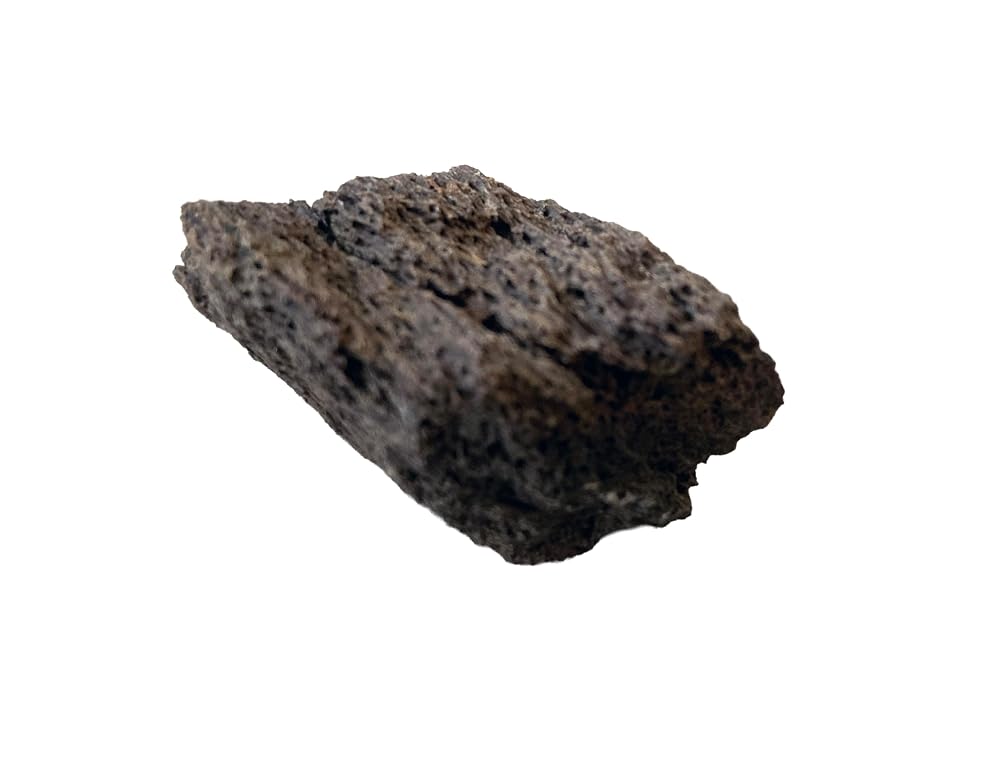
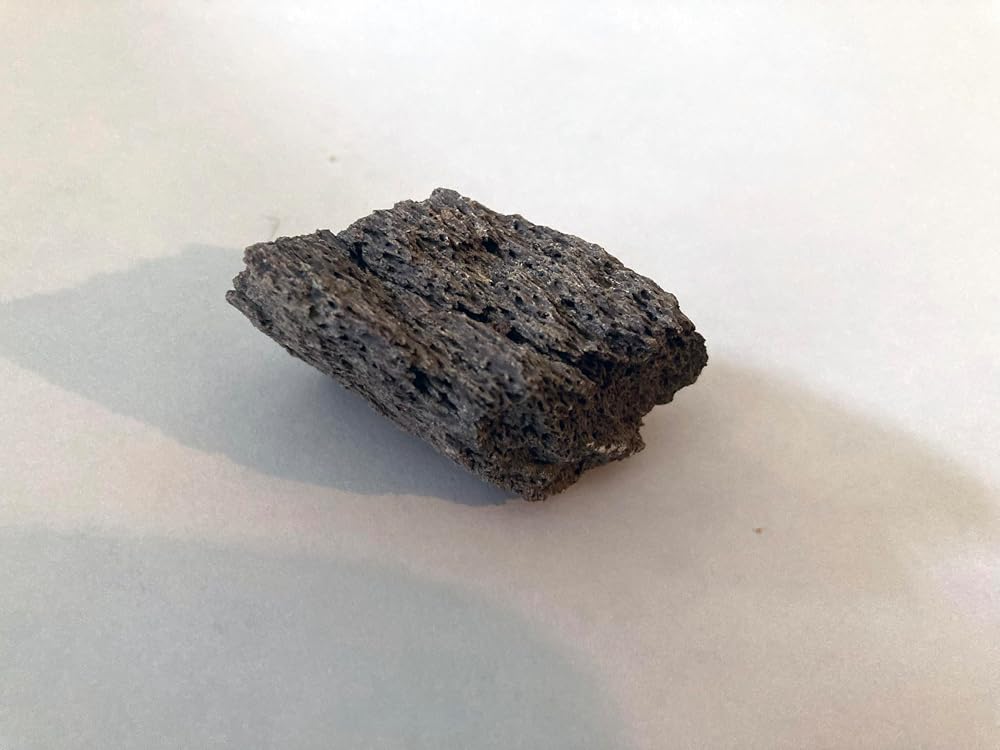
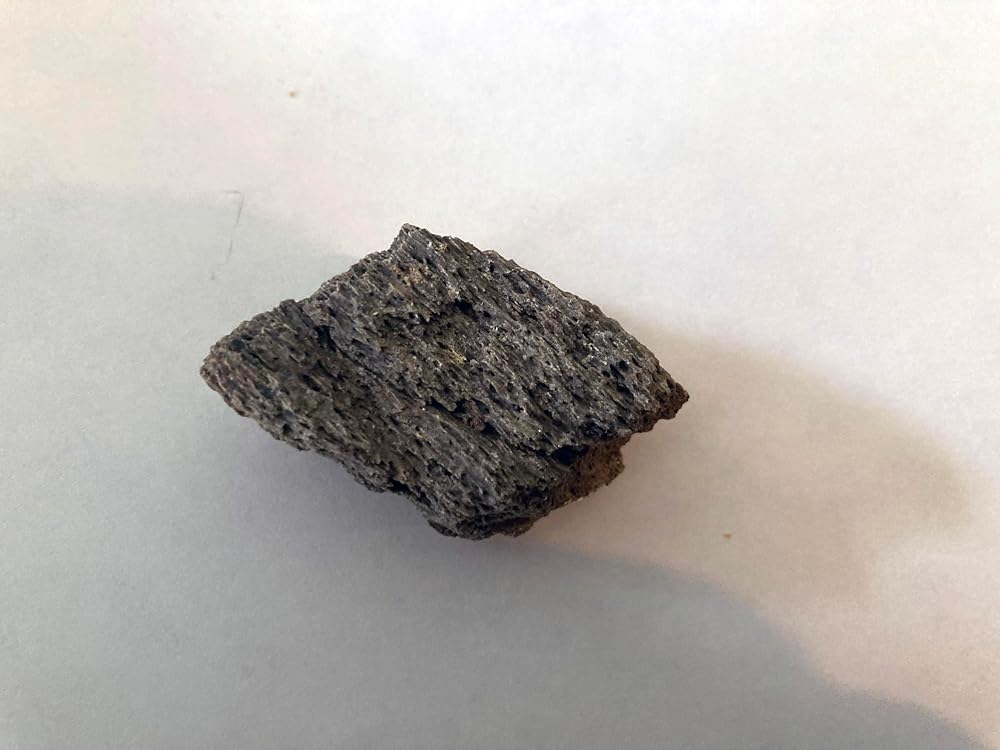
EACH PIECE IS UNIQUE – No two fossils are identical; color, shape, and surface texture vary based on fossilization and natural break patterns
SIZE AND QUANTITY VARIATION – Pieces typically range from approximately 1 to 3 inches; smaller specimens may include more than one fragment per order
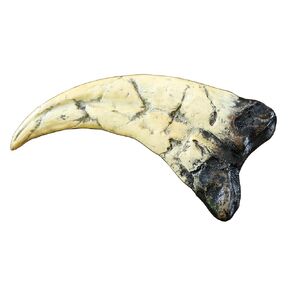
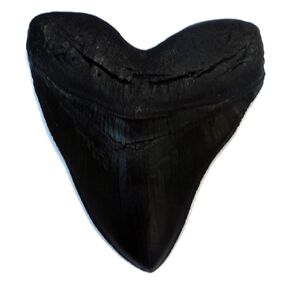
ILLUSTRATIVE IMAGES – Photos show representative examples; the fossil received may differ in appearance but will be a genuine Triceratops bone fragment
INFORMATION CARD INCLUDED – Each specimen comes with a card providing background on Triceratops and the geological context of the fossil
Description
This is a genuine fossilized bone fragment from Triceratops, a horned dinosaur that lived during the Late Cretaceous period approximately 66 million years ago. Preserved through natural mineralization, each piece retains characteristics of the original bone while reflecting the geological processes that shaped it over time. Specimens vary in size, color, and surface detail.

 Kuwait