- Shopping, made easy.
- /
- Get the app!
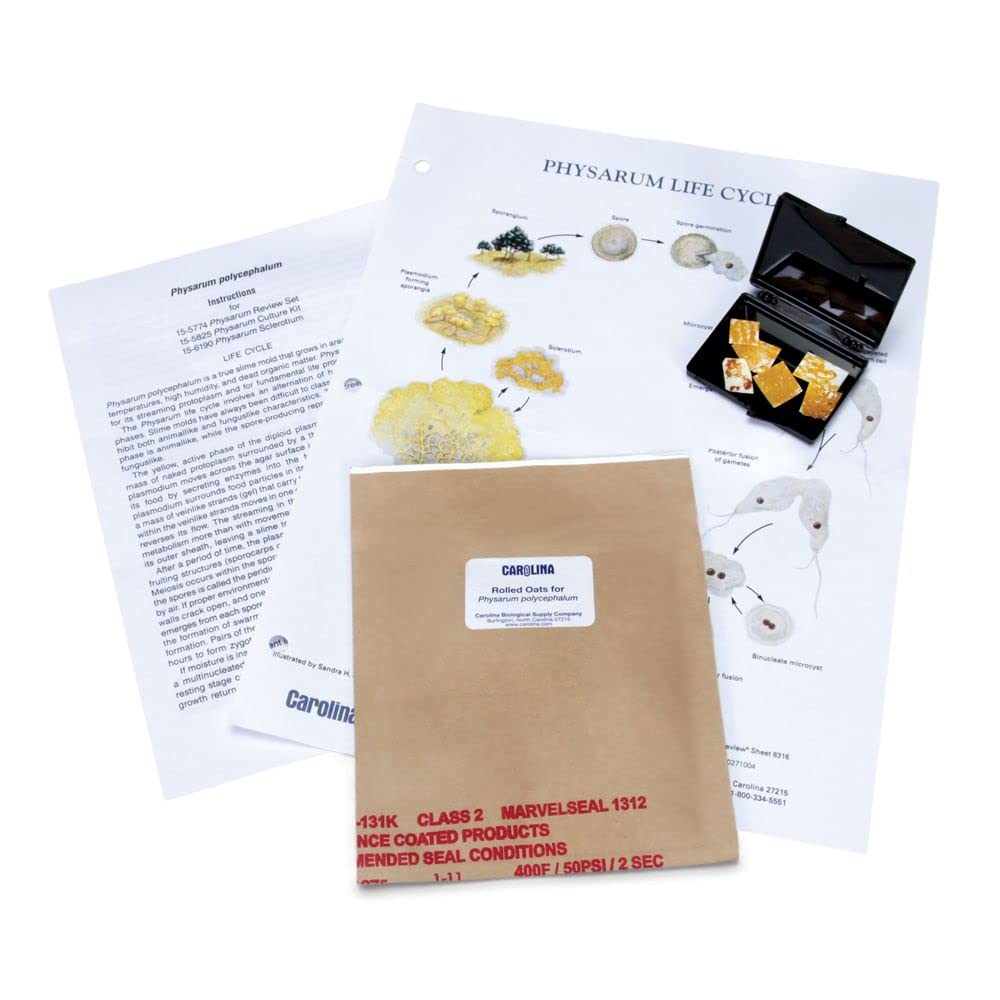
Genus and Species: Physarum polycephalum (Sclerotium phase) Optimal Medium: 2% Agar with Old Fashioned Quaker Oats Optimal Temperature: 25° C Motility: Plasmodium Classification: Slime Mold (Myxomycetes) Physarum polycephalum is a plasmodial slime mold. The plasmodium is the active feeding stage of the organism. If the plasmodium dries during feeding, it forms a crusted, resting stage called the sclerotium, which we ship in a small box. The sclerotium remains dormant until favorable conditions return, then the plasmodium emerges and proceeds to feed. Optimal medium: 2% Agar with Old Fashioned Quaker Oats. Optimal growth temperature: 25° C. Culture contains enough material for a class of 30 students.
 Toluidine Blue, 2%, 15 mL
KWD 5.500
Toluidine Blue, 2%, 15 mL
KWD 5.500
 Carolina Paramecium, Living – Ciliate Culture with Macronucleus & Micronuclei | Ideal for Microscopy & Protozoan Studies | Includes Enough for 30 Students
KWD 5
Carolina Paramecium, Living – Ciliate Culture with Macronucleus & Micronuclei | Ideal for Microscopy & Protozoan Studies | Includes Enough for 30 Students
KWD 5
 Levine Eosin Methylene Blue Agar, Prepared Media Plates, 100 x 15 mm, Pack of 10
KWD 13
Levine Eosin Methylene Blue Agar, Prepared Media Plates, 100 x 15 mm, Pack of 10
KWD 13
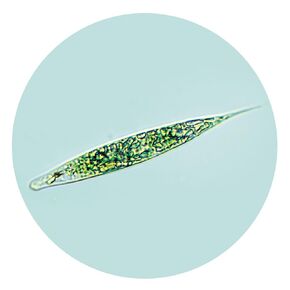 Euglena, Living Culture, Single Biflagellated Cells, Enough Materials for 30 Students
KWD 5
Euglena, Living Culture, Single Biflagellated Cells, Enough Materials for 30 Students
KWD 5

 Kuwait