- Shopping, made easy.
- /
- Get the app!
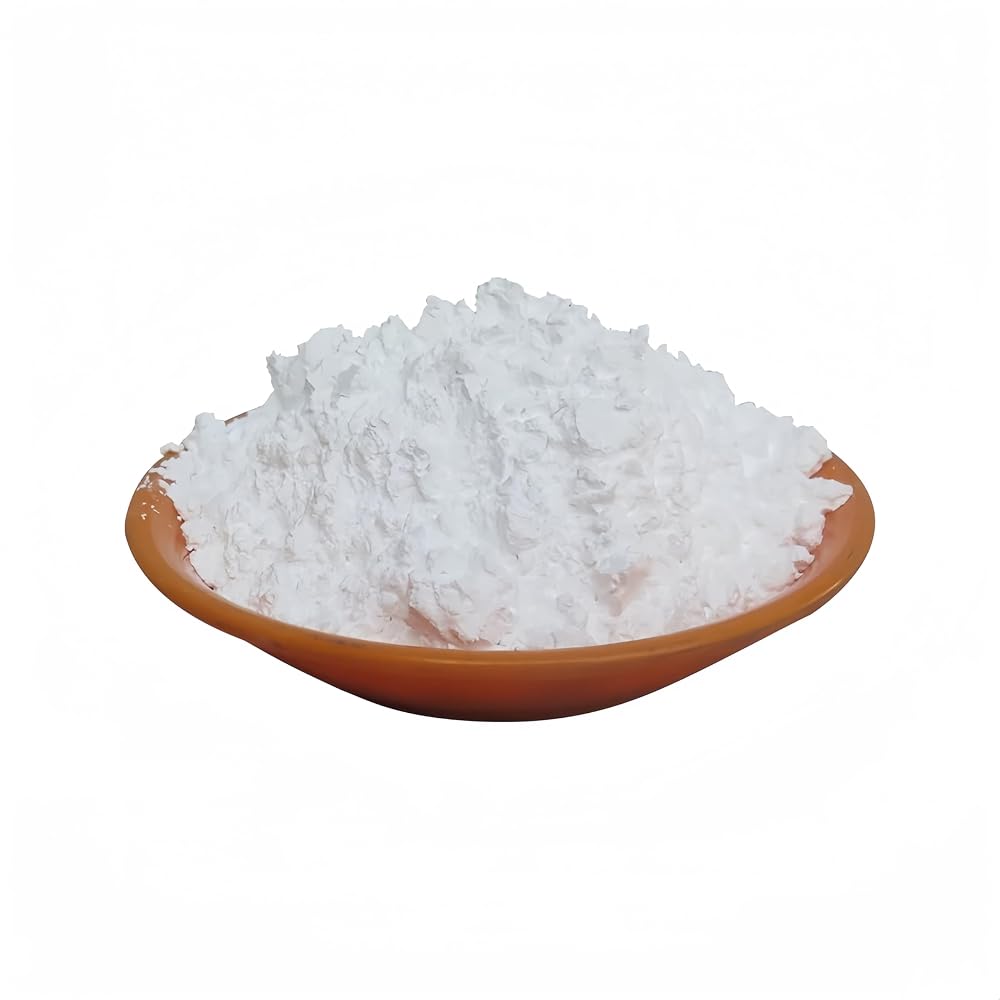
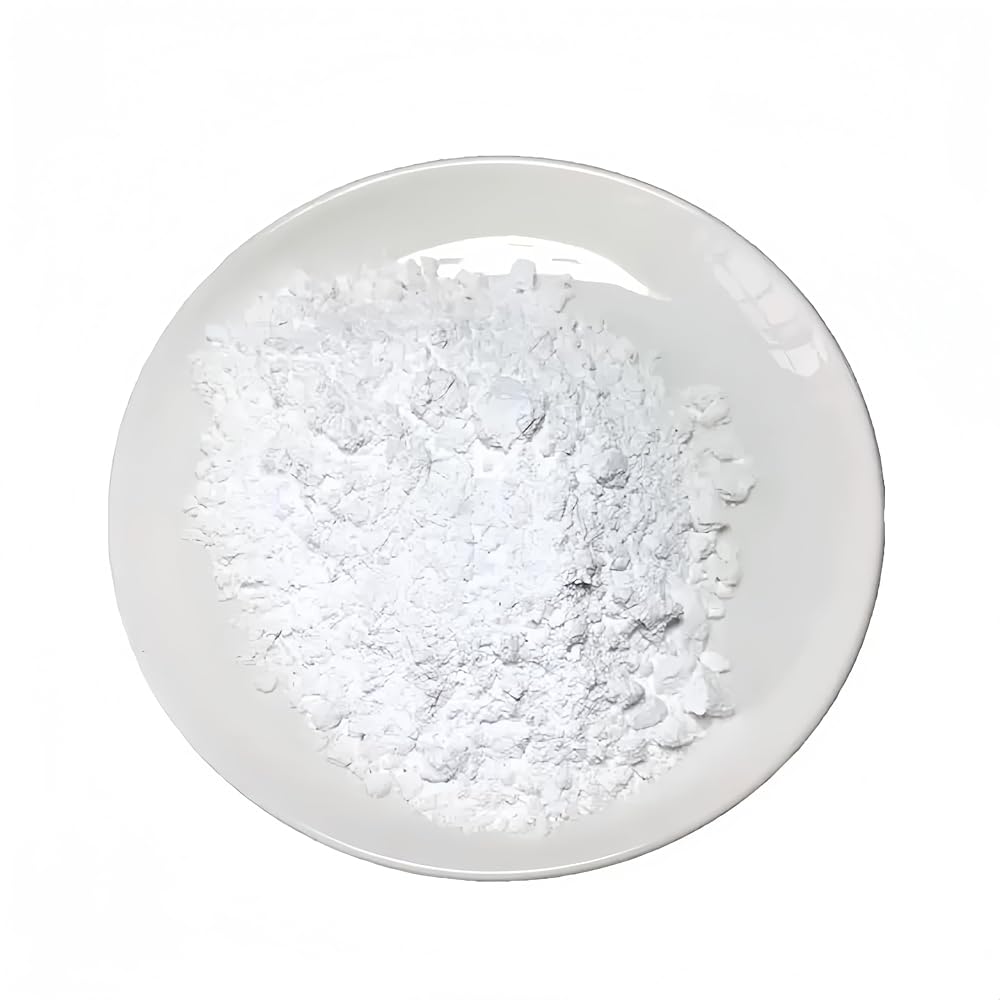
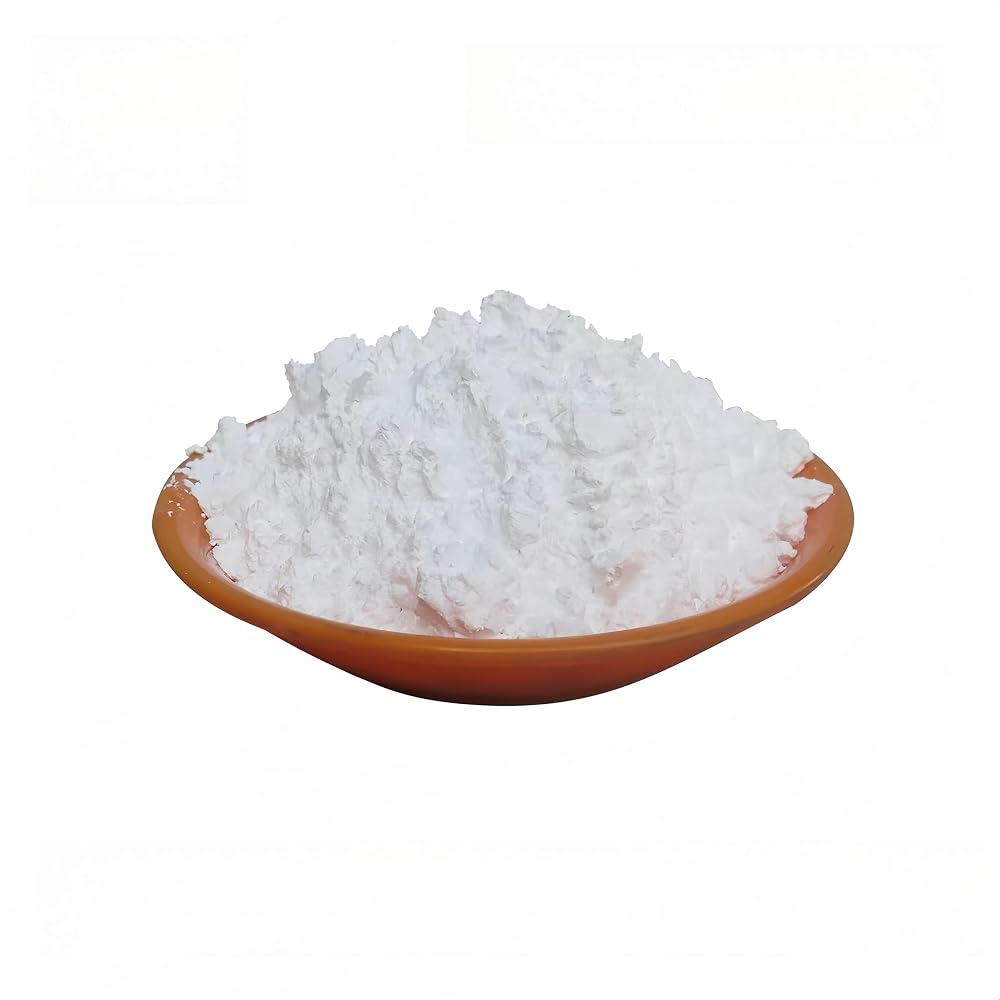
💖Product Description:
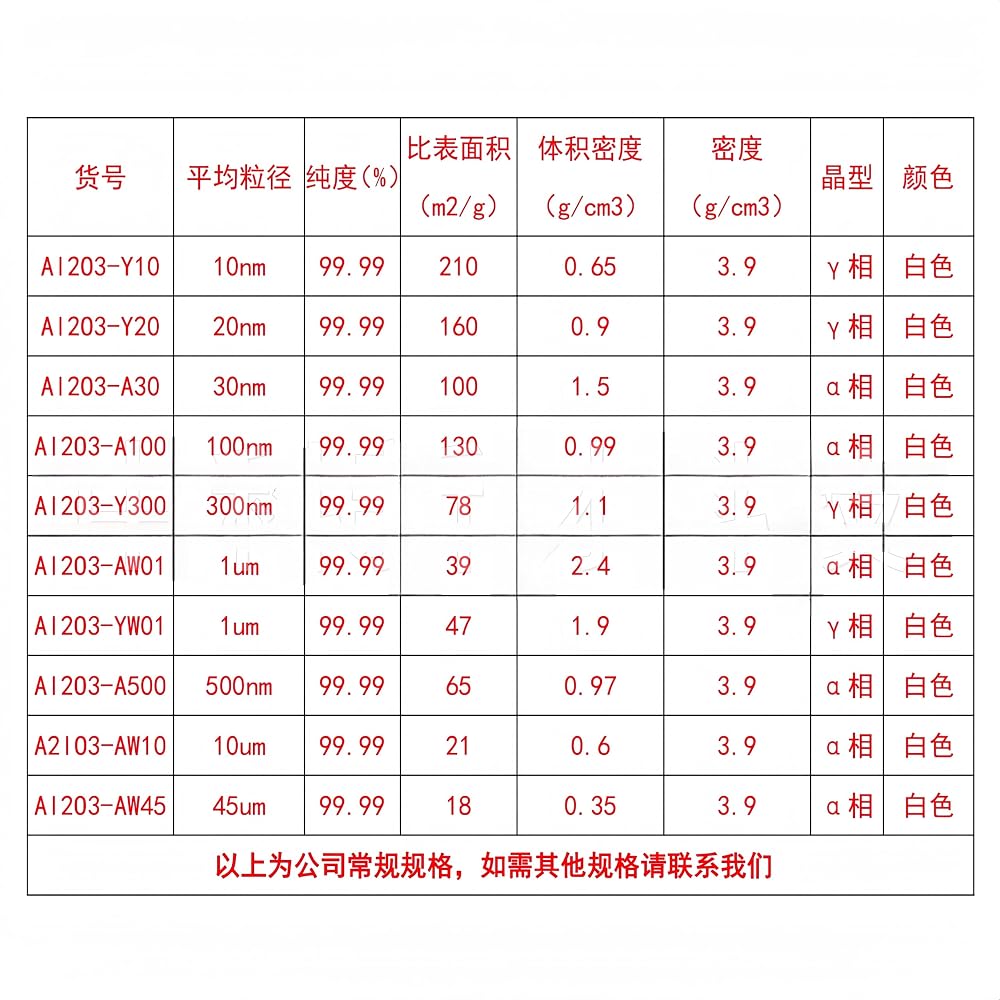
💖 Alumina chemical symbol :Al203, molecular weight 102, pure alumina is white amorphous powder, commonly known as rock earth, density 3.9-4.0g/cm3, melting point 2050C, boiling point 2980C, insoluble in water, amphoteric oxide, soluble in inorganic acid and alkaline solution, There are four isomers B monoalumina 6-alumina v monooxide a monoalumina, mainly in type a and type Y two variants, which can be obtained industrially from bauxite. Properties: white solid insoluble in water, odorless, tasteless, extremely hard, easy to absorb moisture without deliquination (burned without hygroscopic). Amphoteric oxides, soluble in inorganic acids and alkaline solutions, almost insoluble in water and non-polar organic solvents: relative density (d204) 4.0: melting point 2050°C. Storage: sealed dry retention.
💖 Uses: Used as analysis reagent, organic solvent dehydration, adsorbent, organic reaction catalyst, abrasive, polishing agent, smelting aluminum material, refractory material.
In the lattice of A-type alumina, oxygen ions are hexagonal tightly packed, and A13+ is symmetrically dispersed in the middle of the octahedral coordination surrounded by oxygen ions, and the lattice energy is large, so the melting point and boiling point are high.
💖 Type a alumina is insoluble in water and acid, also known as aluminum oxide in industry, is the basic material of metal aluminum: it is also used to make a variety of refractory bricks, refractory yards, refractory pipes, high temperature testing equipment: it can also be used as abrasive, flame retardant, filling material, etc.; High-purity type a alumina is still the material for the production of artificial corundum, artificial ruby and sapphire, and is also used to produce the plate base of modern large-scale integrated circuits.
💖 Y-type aluminum oxide is aluminum hydroxide dehydrated at a low temperature environment of 140-150C, which is also called activated aluminum oxide and aluminum glue in industry. In its structure, oxygen ions are approximately tightly packed in the vertical center, and A13+ is irregularly dispersed in the octahedral and tetrahedral Spaces surrounded by oxygen ions. Y type alumina is insoluble in water, soluble in strong acid or alkali solution, heating it to 1200C will all be converted into a type alumina. Y-type alumina is a porous substance with an internal surface area of up to hundreds of square meters per gram, and high adsorption activity is strong. Industrial products are often colorless or slightly pink cylindrical particles, good pressure resistance. It is a commonly used adsorbent, catalyst and catalyst carrier in petroleum refining and petrochemical industry: in the industry, it is a deacidifier of transformer oil and turbine oil, and it is also used for color analysis: in the laboratory, it is a neutral and strong boring agent, and its boring ability is no less than phosphorus pentoxide, and it can be recycled and reused after heating below 175C for 6-8h. At present, the world's alumina produced by the Bayer process accounts for more than 90% of the total output, and most of the alumina is used for metal aluminum, and less than 10% is used for other purposes.
 20PCS Sealing Ring Silicone Coil Waterproof O Ring Seal for Solar Water Heaters Vacuum Tube Solar Seal Ring - 47mm / Colour : Red
KWD 21
20PCS Sealing Ring Silicone Coil Waterproof O Ring Seal for Solar Water Heaters Vacuum Tube Solar Seal Ring - 47mm / Colour : Red
KWD 21
 Microscope Accessories,Infinity Plan Achromatic Microscope Objective 4/10/20/40/60/100X Option (4X)
KWD 51.500
Microscope Accessories,Infinity Plan Achromatic Microscope Objective 4/10/20/40/60/100X Option (4X)
KWD 51.500
 Vibrating Screen Silicone Ball Solid, Industrial Vibrating Screen Bouncing Ball, Feed Factory Dry Cleaner wear-Resistant Silicone Elastic Ball, Rubber Ball (15mm, White, 10)
KWD 11
Vibrating Screen Silicone Ball Solid, Industrial Vibrating Screen Bouncing Ball, Feed Factory Dry Cleaner wear-Resistant Silicone Elastic Ball, Rubber Ball (15mm, White, 10)
KWD 11
 Pure Lead Roll (0.1-3.0mm) | 99.994% Electrolytic Lead Sheet for X-Ray & Gamma Radiation Shielding | CT/DR Room, Industrial NDT, Lab Use | ASTM E665 Certified (1000mm*200mm*0.1mm)
KWD 24
Pure Lead Roll (0.1-3.0mm) | 99.994% Electrolytic Lead Sheet for X-Ray & Gamma Radiation Shielding | CT/DR Room, Industrial NDT, Lab Use | ASTM E665 Certified (1000mm*200mm*0.1mm)
KWD 24

 Kuwait