- Shopping, made easy.
- /
- Get the app!
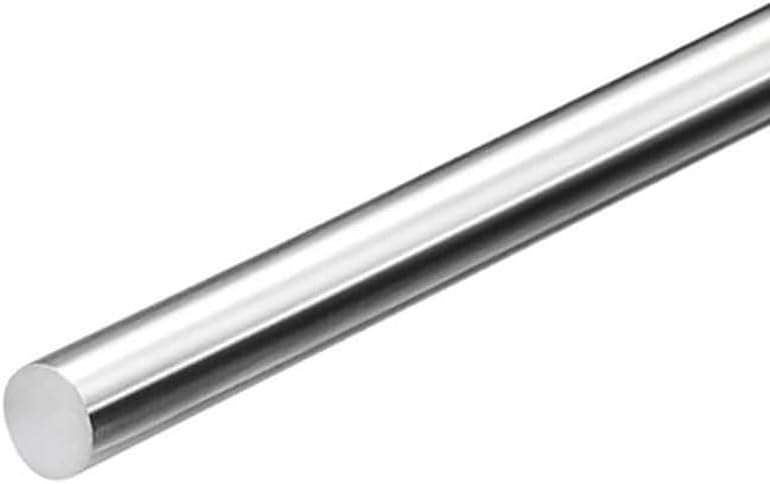
Titanium rods have the characteristics of high strength, good corrosion resistance, and high heat resistance
The surface of the titanium rod is smooth and free of burrs, with uniform force distribution and stable structure
Titanium rod is non-magnetic, non-toxic, and radiation free, making it an environmentally friendly material
Titanium rods are widely used in the mechanical field, electronic instruments, semiconductor equipment, machinery, etc
 -6%
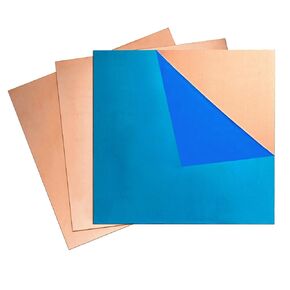
GOORY 1Pcs Pure Copper Sheet - 18 Gauge(1.02mm) Thickness 12" x 12" 99.9%+ Copper Plate - Double Sided Film Attached Thin Sheet Metal for Crafting, Jewelry, DIY, Repairs, Electrical, Industrial, Art
KWD 8.500
-6%
GOORY 1Pcs Pure Copper Sheet - 18 Gauge(1.02mm) Thickness 12" x 12" 99.9%+ Copper Plate - Double Sided Film Attached Thin Sheet Metal for Crafting, Jewelry, DIY, Repairs, Electrical, Industrial, Art
KWD 8.500
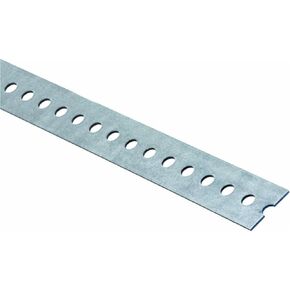 Stanley National N180-125 Slotted Flat Bar, 1-3/8 in W X 36 in L X 0.08 in T, Steel, Galvanized, 1.375 quot
KWD 6.500
Stanley National N180-125 Slotted Flat Bar, 1-3/8 in W X 36 in L X 0.08 in T, Steel, Galvanized, 1.375 quot
KWD 6.500
 T2 Copper Tube is Used for Maintenance DIY Project Industry, Wall Thickness 0.75mm Length 500mm,2.5×4mm
KWD 4.500
T2 Copper Tube is Used for Maintenance DIY Project Industry, Wall Thickness 0.75mm Length 500mm,2.5×4mm
KWD 4.500
 T2 Copper Tube is Used for DIY Handicraft Building Model Machinery, Wall Thickness 5mm, Length 500mm,25×35mm
KWD 21
T2 Copper Tube is Used for DIY Handicraft Building Model Machinery, Wall Thickness 5mm, Length 500mm,25×35mm
KWD 21