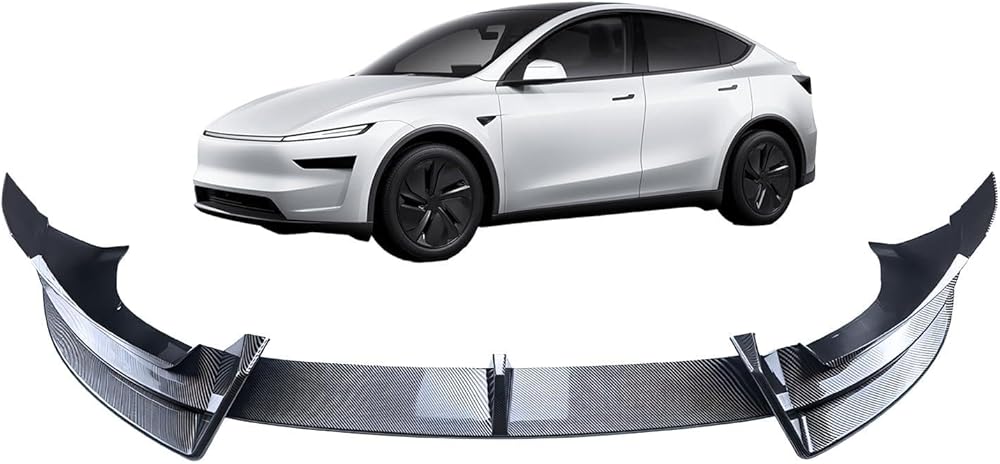
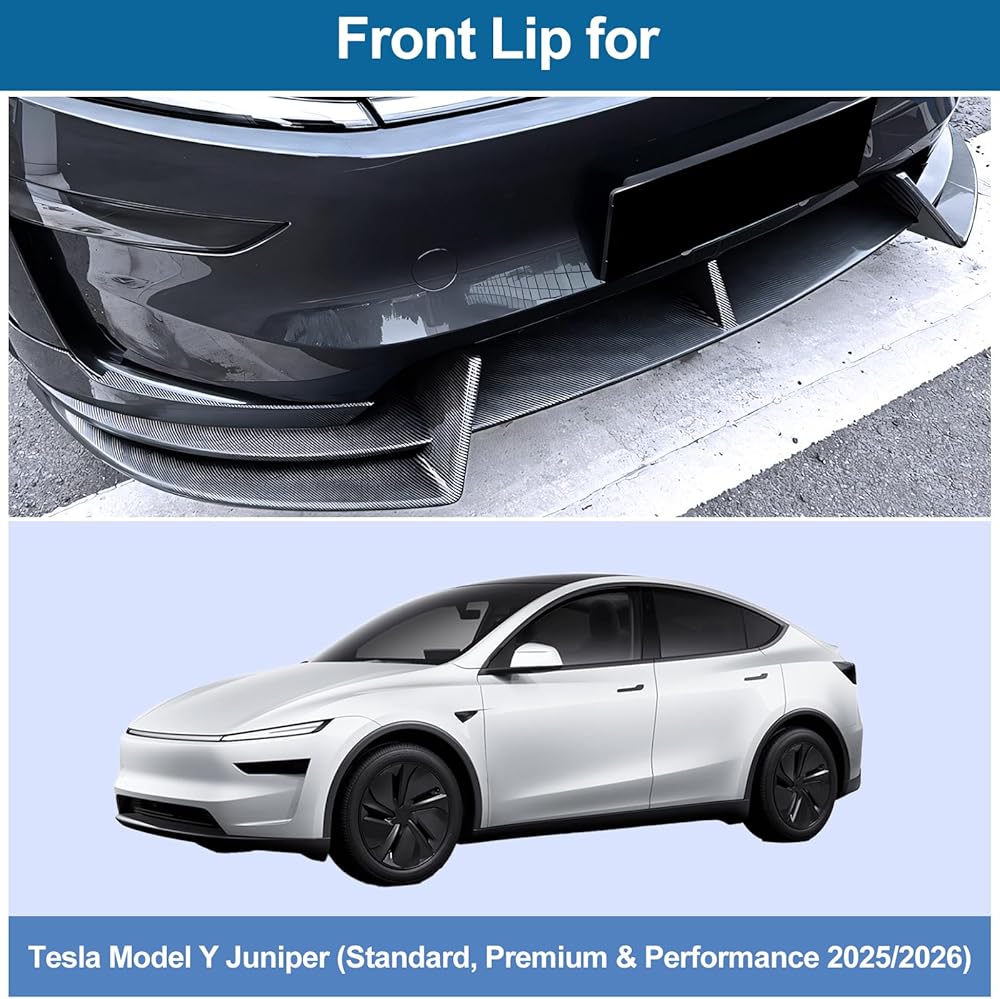
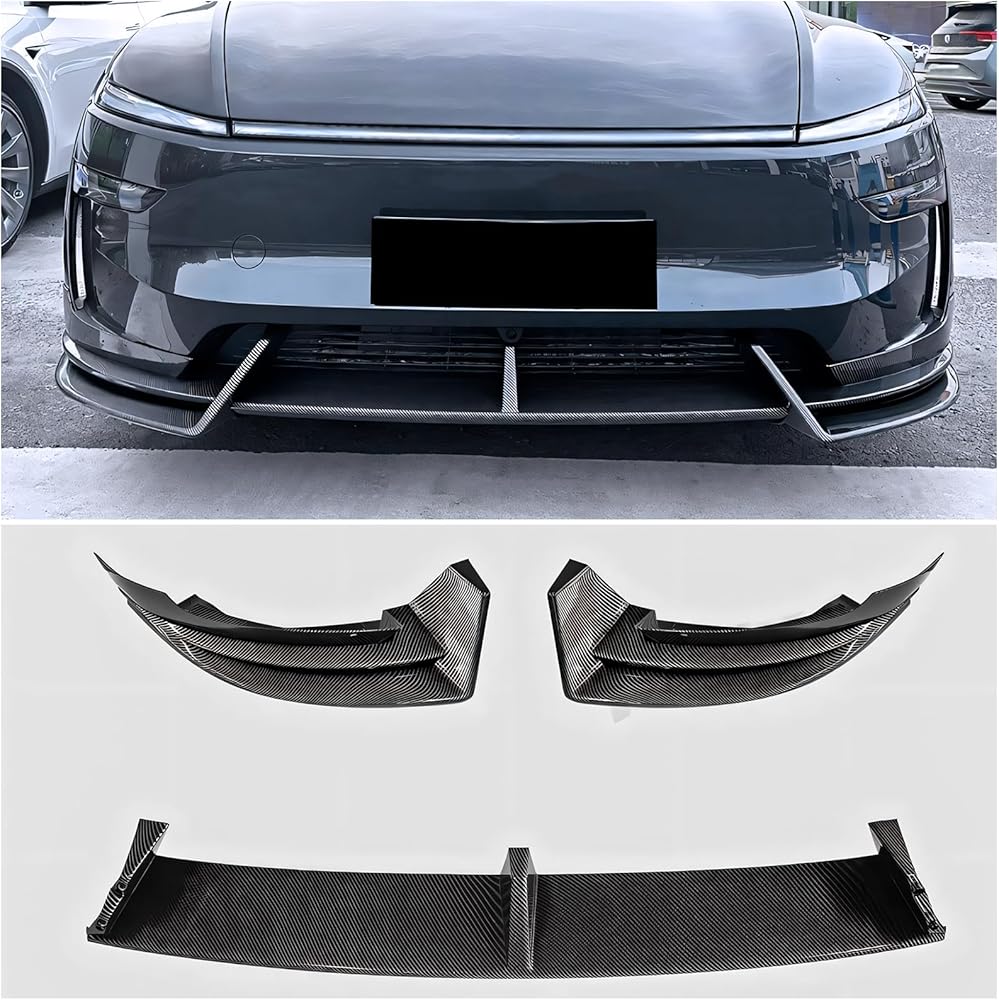
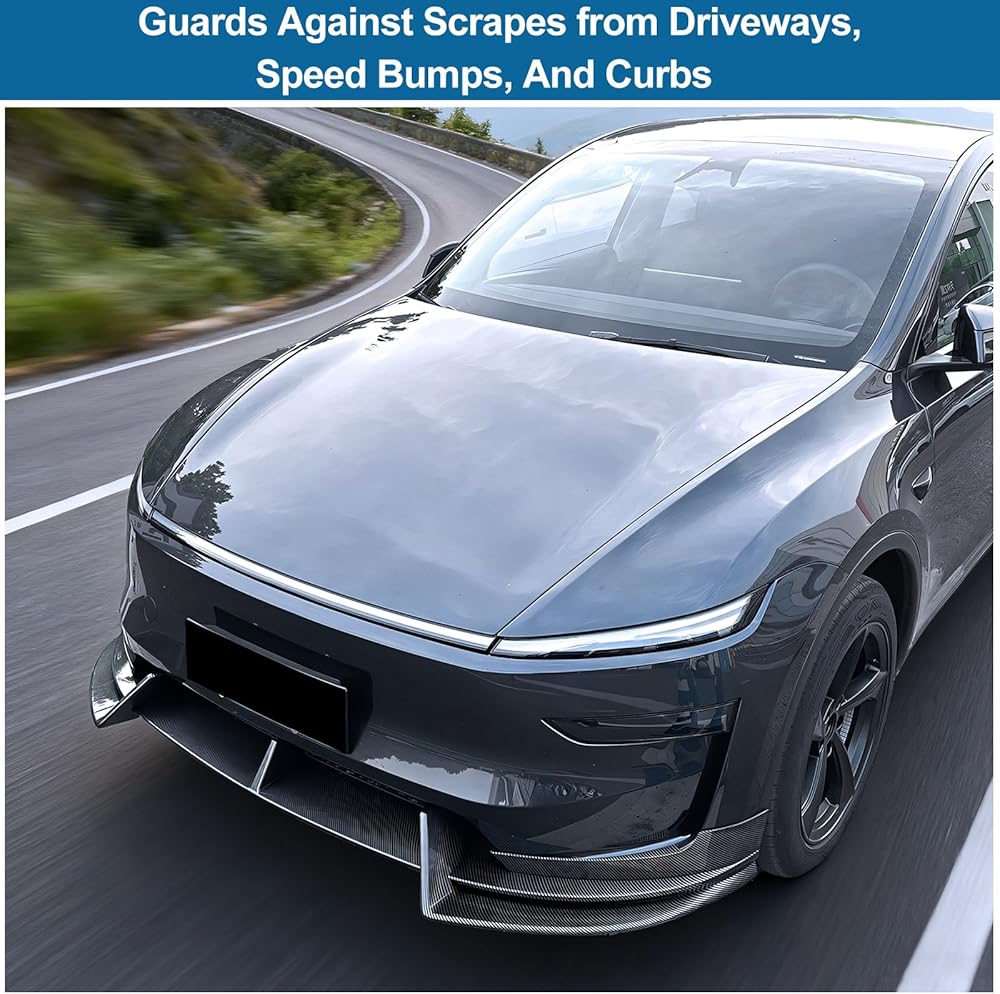
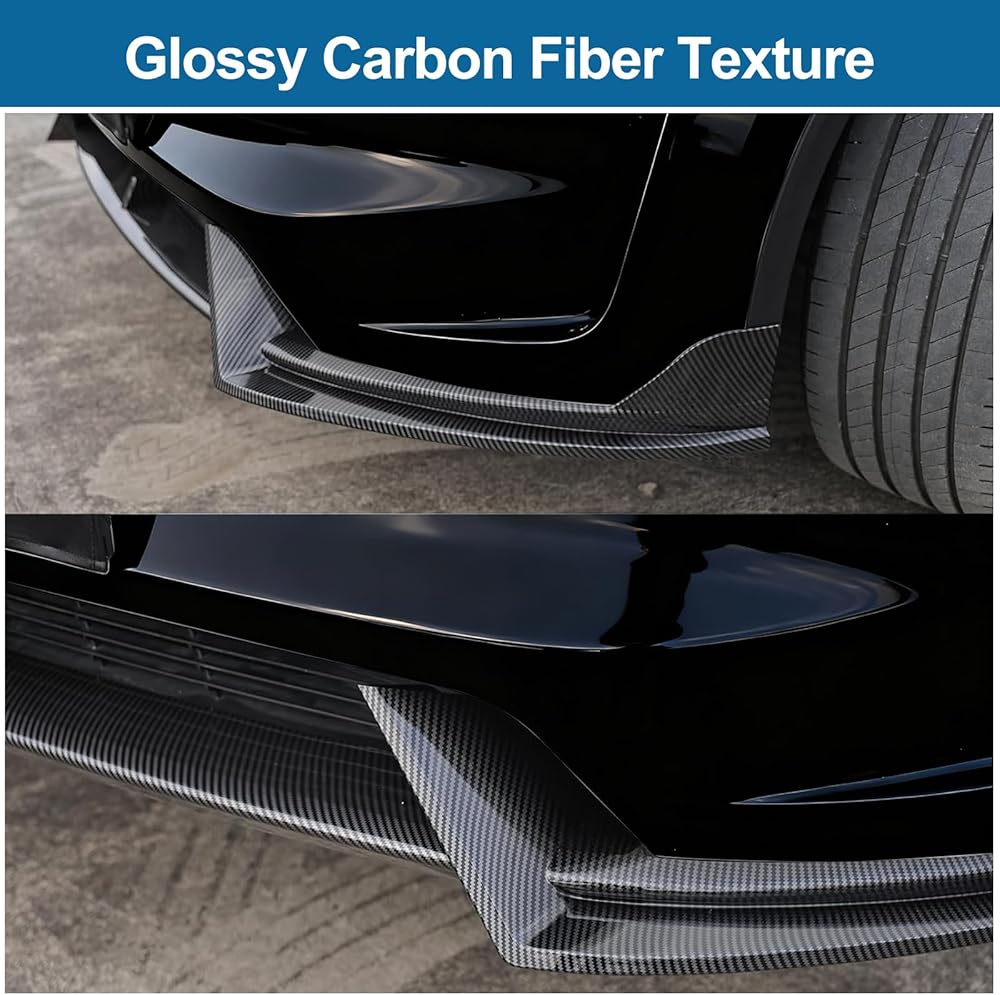
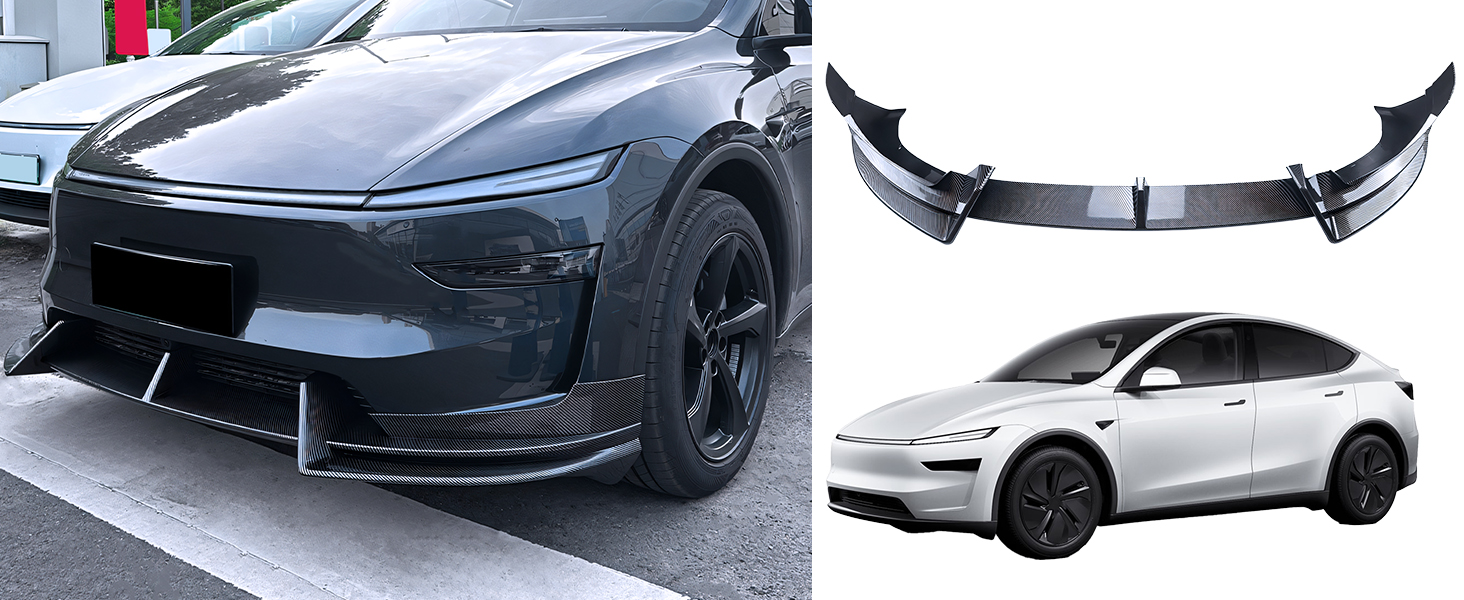
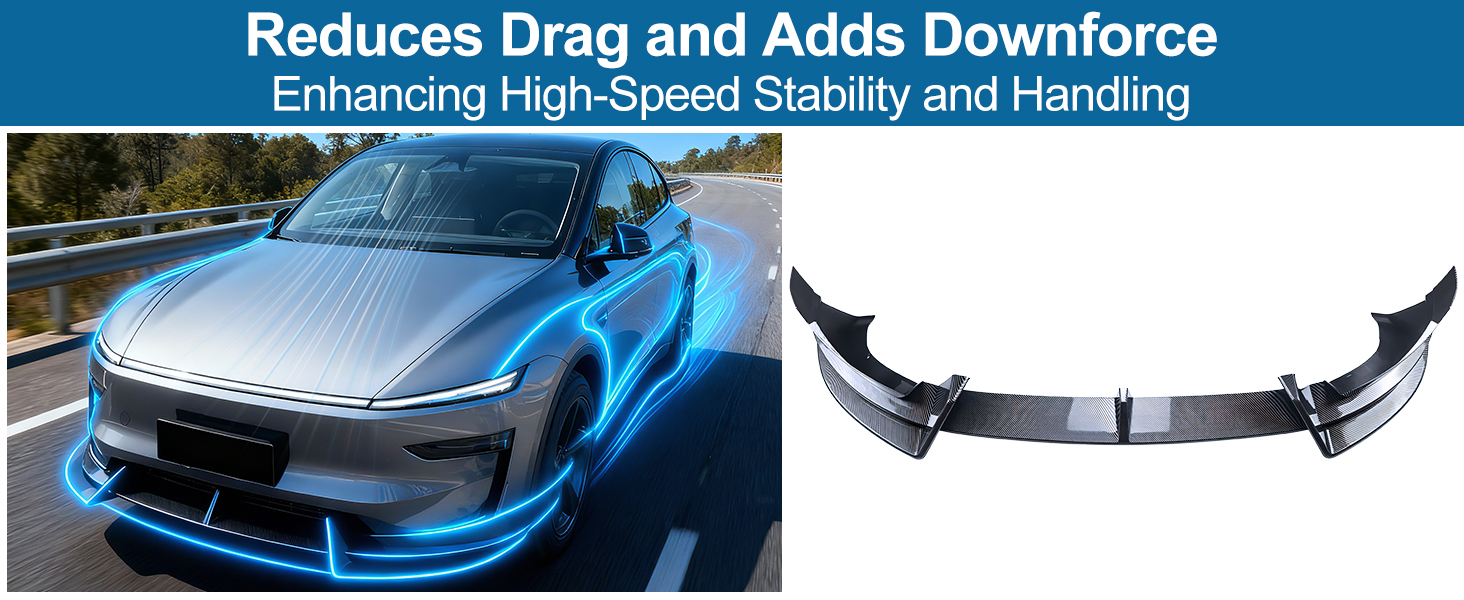
Front Bumper Lip for Tesla Model Y Juniper 2025 2026 Front Spoiler Wing Splitter Trim ABS Material Carbon Fiber Texture No-Drill Model Y Juniper Accessories
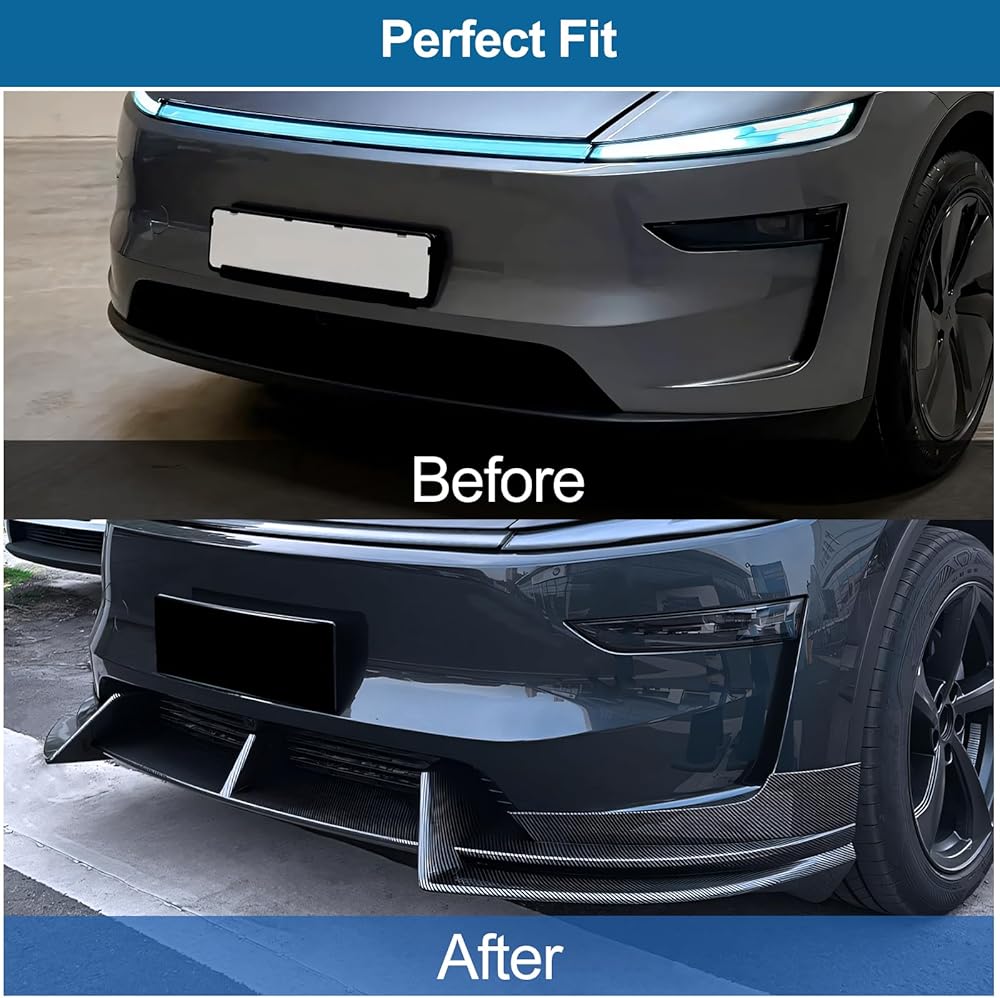
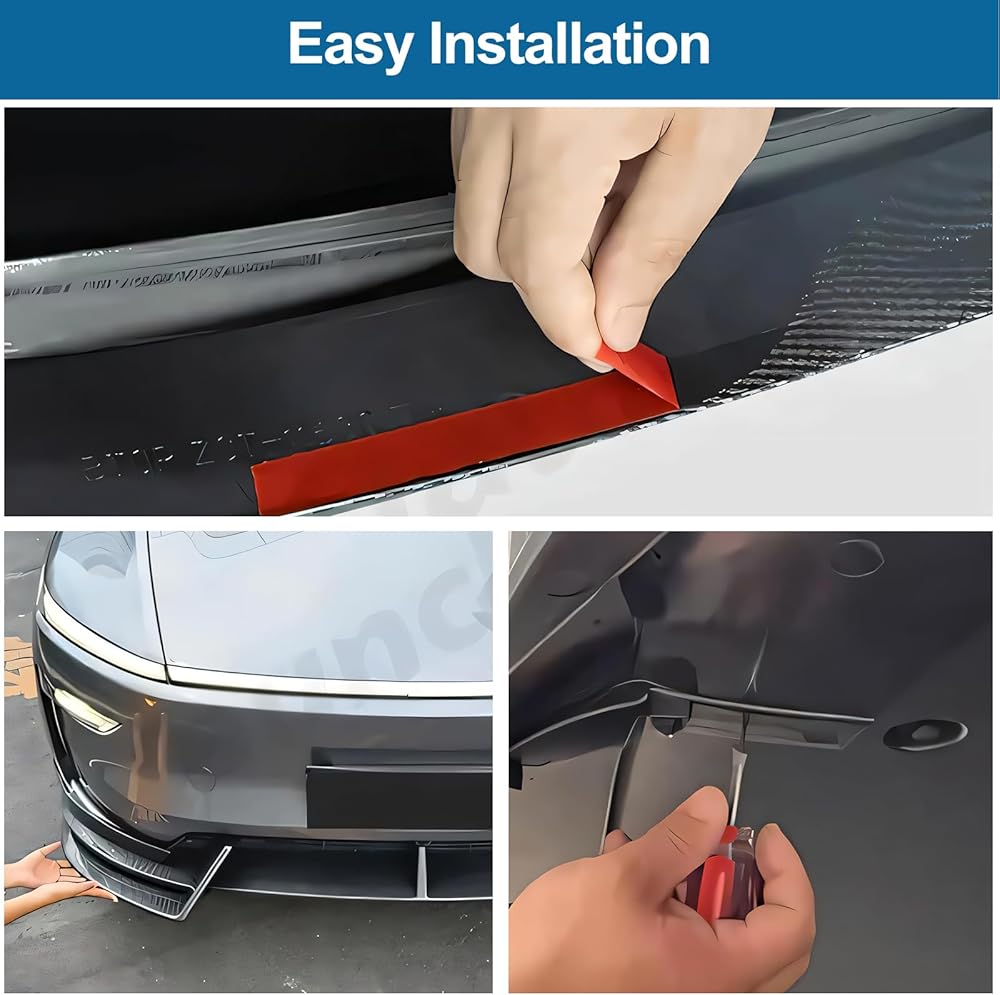
OEM-Level Precise Fitment: The front bumper guard is custom-developed for specific model years of the Model Y (such as the 2020-2025.2 versions and the 2025.03+ Juniper refresh). Manufactured with precision molds, it ensures seamless integration with the contours of the original vehicle's bumper, delivering an appearance as cohesive as the factory-installed components, without affecting existing functions like the license plate holder
Enhanced Aerodynamic Performance: The scientifically designed front lip for the 2026 Model Y Juniper effectively guides airflow at the front of the vehicle. By reducing drag and increasing front-axle downforce, it significantly improves driving stability and handling response at high speeds, optimizing the overall driving experience
Sporty Aesthetics and Personalization: The front splitter for the Model Y Juniper offers various design options such as carbon fiber texture, red accents, or glossy black finishes. These choices imbue the vehicle with a more aggressive sporty stance and personalized appearance. Its distinctive style instantly elevates the car's visual impact and showcases the owner's taste
Split-Structure Design and Durability: The front bumper lip for the 2025+ Tesla Model Y adopts an innovative three-piece V-shaped split design, secured through overlapping connections to ensure stable installation. This structure not only evenly distributes impact forces in case of accidental collisions but is also crafted from high-strength ABS plastic, offering excellent resistance to scratches, impacts, and weathering. It balances aesthetics with long-lasting protection
Improved Airflow and Energy Efficiency: The front bumper splitter for the 2025-2026 Tesla Model Y Juniper goes beyond aesthetics, effectively managing underbody airflow during high-speed driving. This helps reduce the overall drag coefficient and, in theory, minimizes energy consumption caused by air resistance, potentially contributing to the electric vehicle's range efficiency
 -7%
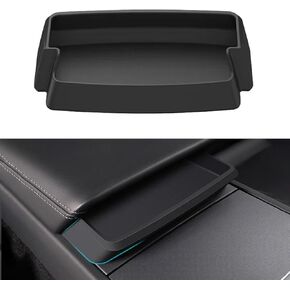
Center Console Organizer for Tesla Model 3 Highland 2024-2025 Model Y 2025 Juniper Sunglasses Holder Armrest Key Card Phone Storage Box Glasses case Tray Tesla Interior Accessories
KWD 7
-7%
Center Console Organizer for Tesla Model 3 Highland 2024-2025 Model Y 2025 Juniper Sunglasses Holder Armrest Key Card Phone Storage Box Glasses case Tray Tesla Interior Accessories
KWD 7
 2025 4PCS Tesla Model 3/Y Interior Door Handle Protector Covers (2017-2026) Car Inner Door Panel Pull Handle Trim Cover Sleeve, Soft Anti-Scratch PU Leather, Including Juniper & Highland Accessories
KWD 6.500
2025 4PCS Tesla Model 3/Y Interior Door Handle Protector Covers (2017-2026) Car Inner Door Panel Pull Handle Trim Cover Sleeve, Soft Anti-Scratch PU Leather, Including Juniper & Highland Accessories
KWD 6.500
 -4%
Tesla Model 3 Highland Door Sill Protector 8PCS Anti-Kick Full Protect Carbon Fiber Door Sill Front and Rear Door Entry Guard Scuff Plate Carpet for Tesla Model 3 Highland Accessories 2024 2025
KWD 32
-4%
Tesla Model 3 Highland Door Sill Protector 8PCS Anti-Kick Full Protect Carbon Fiber Door Sill Front and Rear Door Entry Guard Scuff Plate Carpet for Tesla Model 3 Highland Accessories 2024 2025
KWD 32
 -10%
2025 Tesla Model Y Junior Mud Flaps No Drill No Tape Required Splash Guards All Weather Mudguards Fender Protector, Custom Fit for Model Y Junior 2026 Accessories, TPE Mud Guards 4PCS
KWD 9
-10%
2025 Tesla Model Y Junior Mud Flaps No Drill No Tape Required Splash Guards All Weather Mudguards Fender Protector, Custom Fit for Model Y Junior 2026 Accessories, TPE Mud Guards 4PCS
KWD 9