- Shopping, made easy.
- /
- Get the app!
Today's golf ball technology rocks. That's why used golf balls can be pulled from lakes and still perform comparable to new. But it wasn't always like that. Sure, people have always enjoyed hitting things with sticks, particularly each other. But historians generally agree that the balls for the first game actually called “golf” (invented in Scotland during the 1400s) were made from beech wood handcrafted by carpenters. Talk about high compression! From there it took over a hundred years for the next technological advancement (and we use the word advancement loosely). This new ball was called the “feathery.” It was piece History of the Golf Ball - Part One - Feathery Golf Ball of leather stuffed with goose feathers, sewn tight, dried-hard and painted. Sweet, right? And to make things even nuttier, King James VI granted exclusive rights for 21 years to just one guy to make these “balls.” And he could only make like 4 a day! So, it's probably safe to assume a few things about the first golf balls: They weren't exactly round They didn't go far You couldn't get ‘em wet They cost some tall-green, or whatever they used for money back then They sucked Worst of all, we'd have been out of business. But fortunately for all of us, better times were ahead. So, stay tuned for Part Two of the History of the Golf Ball (or just go read the whole thing here). Models that May Be Included in mix: The new 4-Piece cast urethane Vice PRO PLUS is designed for advanced players with higher swing speeds. The top of the line golf ball played by many top amateurs and professionals around the world. Vice PRO PLUS players emphasize on the combination of soft feel, excellent distance and maximum spin around the green. The new 3-Piece cast urethane Vice PRO features the thinnest cover possible and is a popular golf ball played by young professionals as well as amateurs seeking to maximize their performance from tee to green.
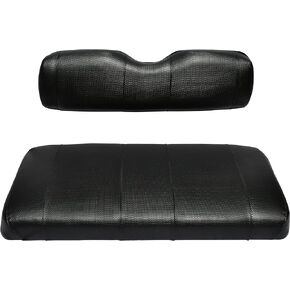 EZGO TXT Replacement Golf Cart Seat Cover Staple On Installation - 2 Piece - Premium Marine Vinyl - 5 Panel Stitching - Two-Tone (White)
KWD 29
EZGO TXT Replacement Golf Cart Seat Cover Staple On Installation - 2 Piece - Premium Marine Vinyl - 5 Panel Stitching - Two-Tone (White)
KWD 29
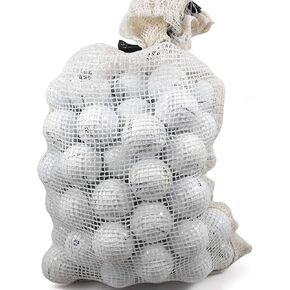 48 NOODLE 5A GRADE GOLF BALLS
KWD 15
48 NOODLE 5A GRADE GOLF BALLS
KWD 15
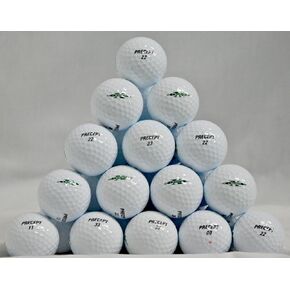 48 Precept Laddie 5A Golf Balls
KWD 24.500
48 Precept Laddie 5A Golf Balls
KWD 24.500
 GOLF BALL DIVERS EZGO RXV Golf Cart Front or Rear Replacement Seat Cover Set Made with Marine Grade Vinyl - Staple On Installation
KWD 33
GOLF BALL DIVERS EZGO RXV Golf Cart Front or Rear Replacement Seat Cover Set Made with Marine Grade Vinyl - Staple On Installation
KWD 33